Zandvliet Wine Estate

The Winemaking Era

DECADES OF DISCOVERY

The Winemaking Era

The romance between Zandvliet and shiraz emerged from many decades of patient experimentation and observing the terroir – that unique combination of climate, soils and aspects expressed through the vines and grapes. The farm’s first wine grape vineyards were planted in the 1870s. Back then, the focus across the region was on growing varieties for the making of sweet and rebate wine for distilling.

This changed with the advent of cold fermentation in wineries that spurred the making of white wines in the 1960s.

Red wines would, however, only come later due to perceptions the region was poorly suited for growing red grape varieties.

DECADES OF DISCOVERY

The Winemakers

Significantly, only four winemakers have been at the helm of Zandvliet wines. The implication is that fewer people the purer the expression of a wine and its heritage.

The list of Zandvliet winemakers begins with Paul de Wet Junior with brother Daniel (Dan), as viticulturist, followed by Johan van Wyk, Etienne Malan and currently, Jacques Cilliers.

In 2011, he made the move with his wife and three children to the valley of wine and roses, and took up the position as winemaker at Zandvliet..

Under his tenure, Zandvliet has continued to shine at South Africa’s leading competitions, but more importantly, grow its long-established relationship with an ever-growing following.

WHERE CRAFT MEETS CHARACTER

Zandvliet Wine Today

At the heart of Zandvliet’s most outstanding vintages has been healthy fruit with good acidity, lower alcohols and crucially, judicious skin contact and use of oak.

Hallmarks of every vintage have consistently been a conscious approach to winemaking that is underscored by hand selection, hand harvesting and the combination of respect for tradition and courageous experimentation.

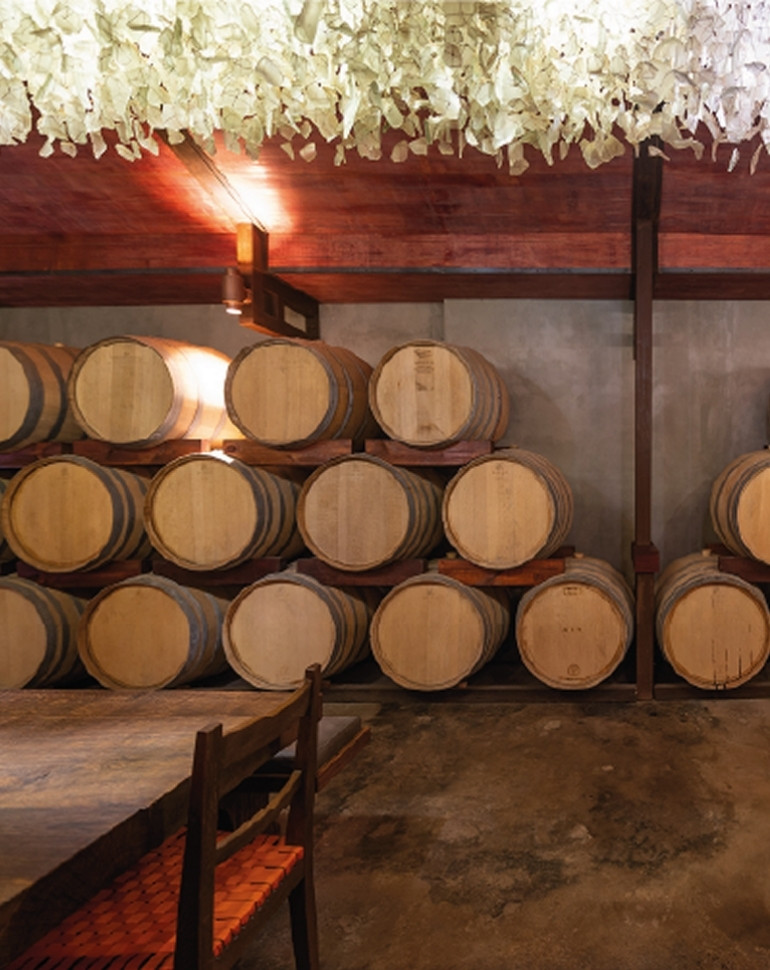
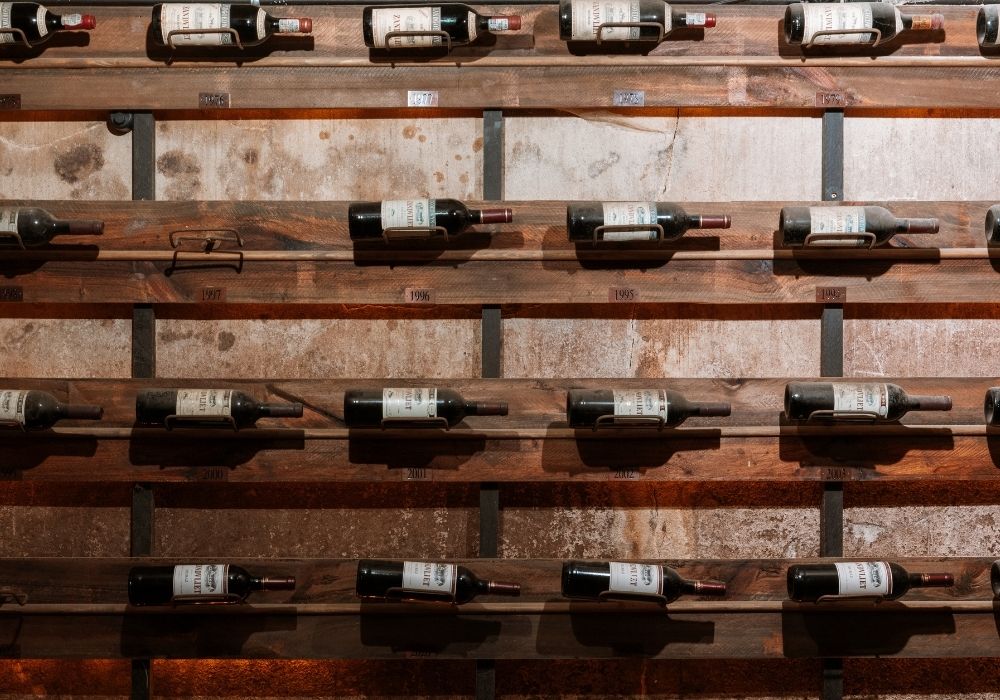
The early wines were matured in old barrels and at Die Bergkelder, in foudres. This allowed the wines to retain the fruit elegance, and it remains the practice in the Zandvliet cellar to this day.

THE LAND SHAPES THE WINE

Soil, Climate and Viticulture

Central to winemaking at Zandvliet is the preservation of site expression, and for good reason. It has diverse soils including weathered shale and rich alluvial clay,

SOIL. CRAFT. EXPRESSION

The Foundation of
Great Wines

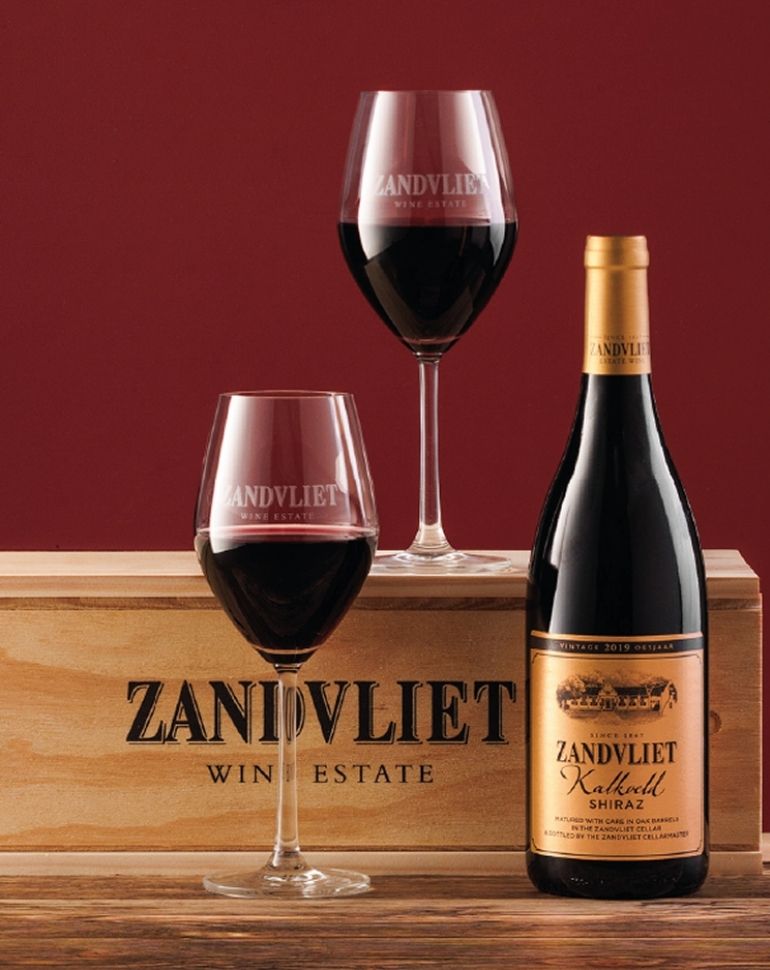
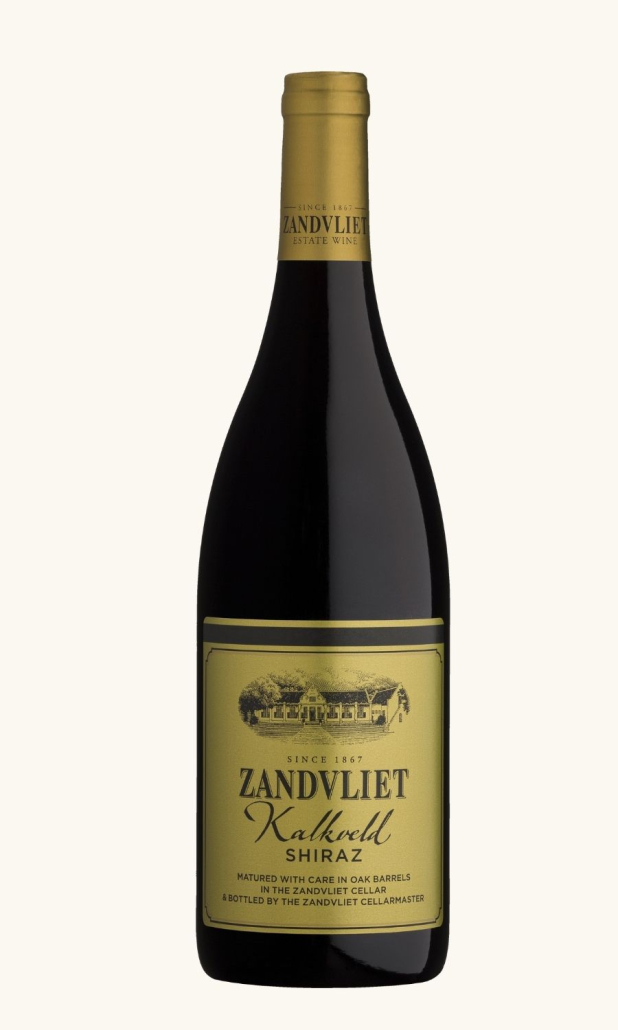
As described in the 2000 edition of Platter’s South African wine guide, Zandvliet has “an oenological treasure in their chalky hills (kalkveld in Afrikaans)”.

Today (2024), Zandvliet has 32ha under vine, with a diversity of 35 soil types.

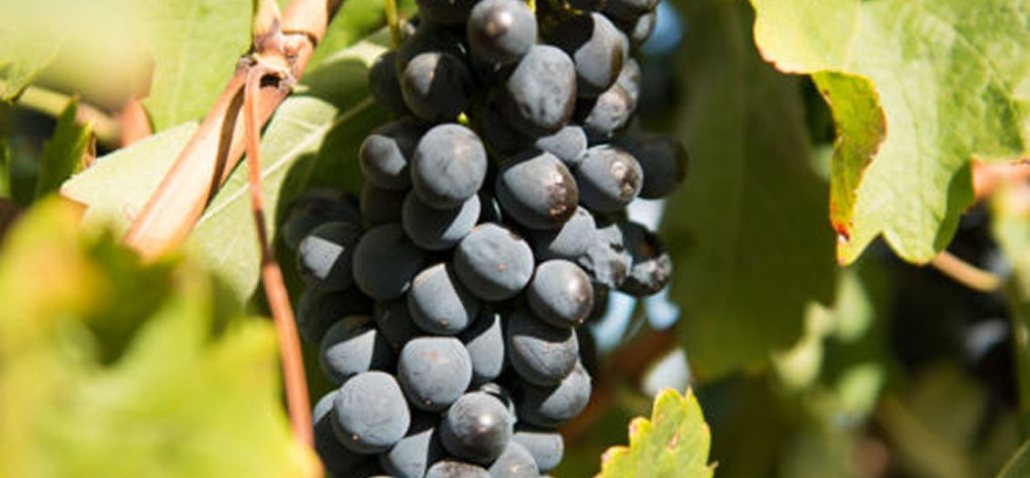
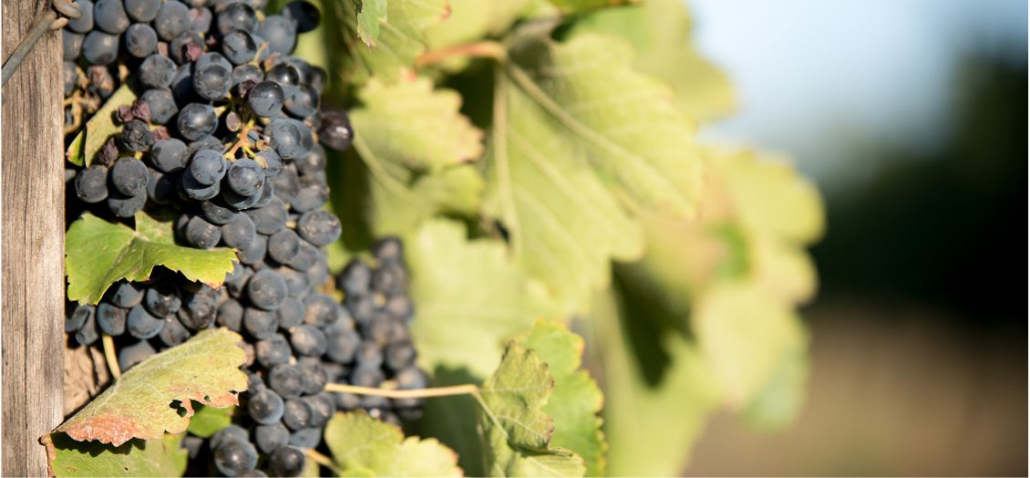
In addition to the dominant shiraz vineyards up to 30 years of age, the farm also has Carignan planted in 2018, Mourvedre and Grenache.

The handmade approach to its winemaking extends beyond the identification of premium fruit and harvest itself. Quality selection is part of the pruning phase, where decisions are based on what best suits the end goal.

Special attention is provided below ground as much as above. Salinity in the soils means vineyards are irrigated in the winter, while pruning roots and invigorating the soils, has contributed to revitalising the farm’s older vineyards.

Interplanting gives the vineyards longevity and sustainability.

Spending time in the vineyard is a cornerstone of the winemaking at Zandvliet. Diverse soils across a single vineyard adds for complexity in wine, but in actual vineyard management too. There cannot be a one-size-fits-all treatment.

This diversity is expressed in the farm’s diverse expressions of shiraz – a characteristic preserved in the Zandvliet cellar’s softtouch approach in pursuit and delivery of sublime, elegant and site-expressive wines.

BEST SELLERS

Shop Award-Winning Wines

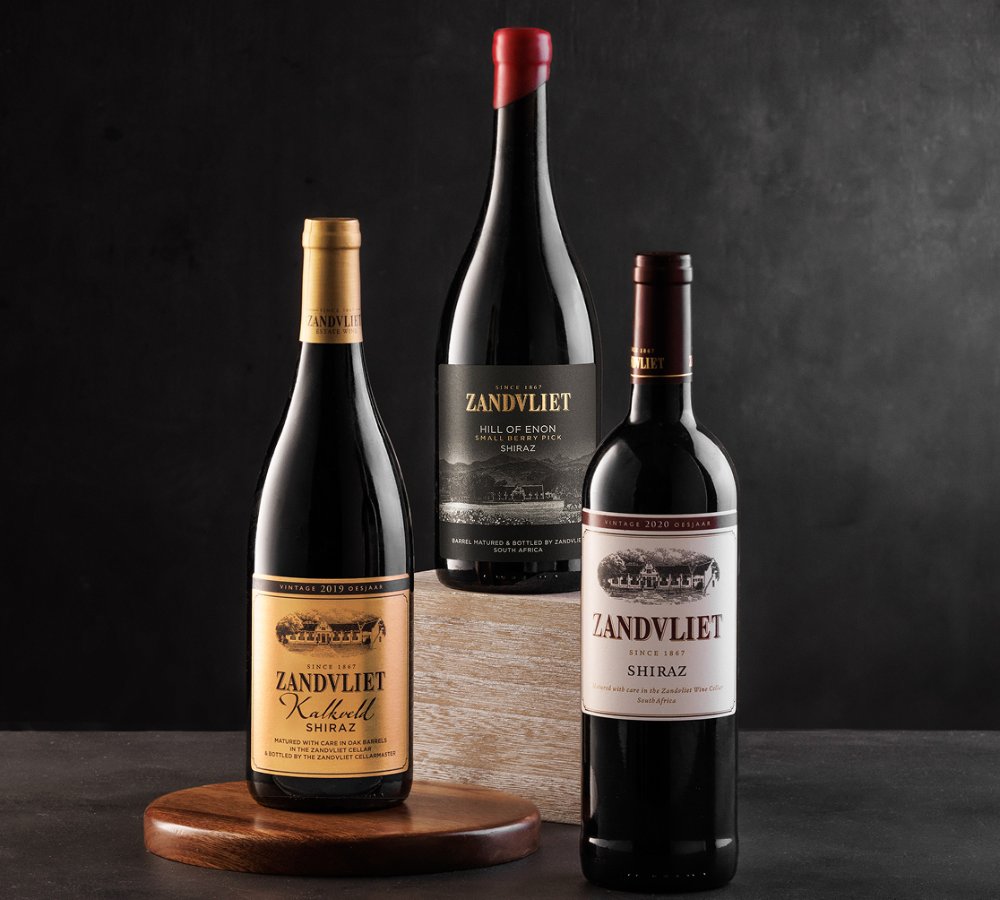
Zandvliet Estate Shiraz
6 x 750ml

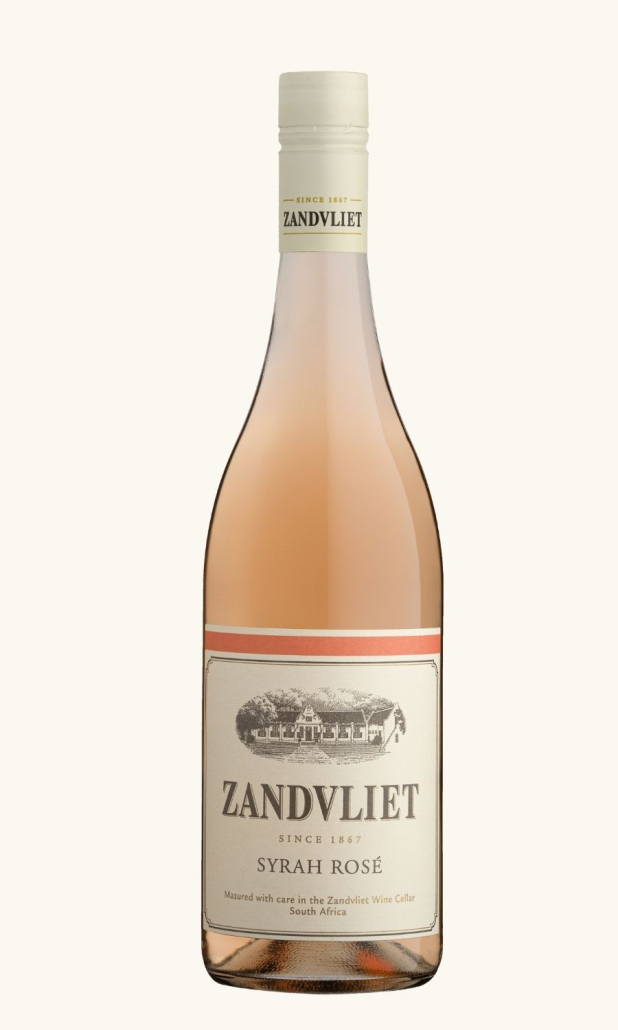
Zandvliet Syrah Rosé
6 x 750ml

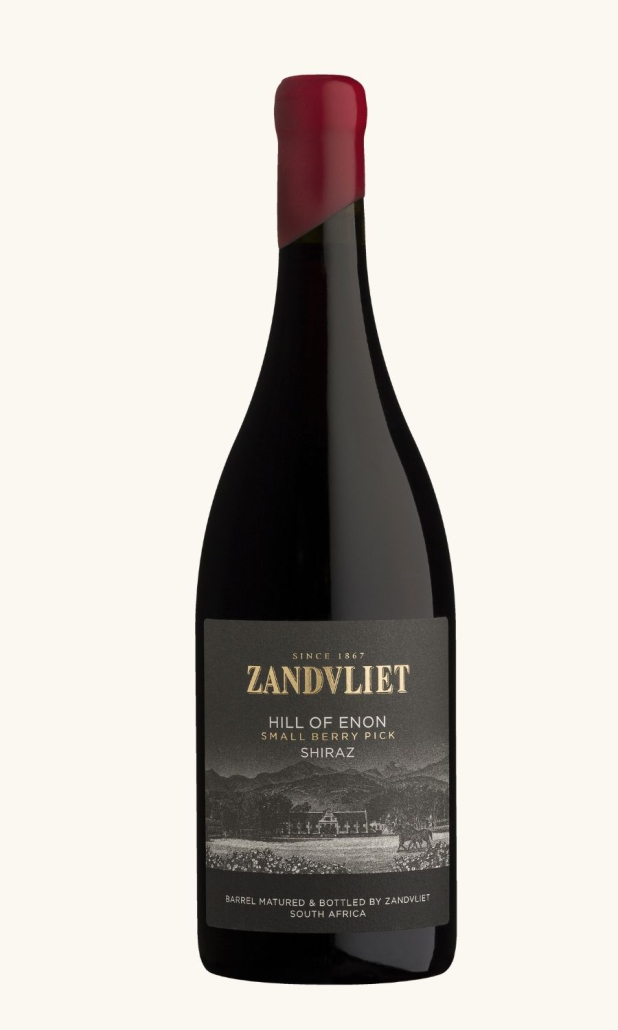
Zandvliet Hill of Enon
6 x 750ml

Zandvliet Kalkveld Shiraz
6 x 750ml

Explore All Wines